Drops, not glugs
The question we hear most often is how much. The answer is smaller than first-timers expect, and it is worth writing down.
The numbers we cook by
These are starting points for a medium shade. Go up for darker, down for a shade warmer, and always stir before judging.
- Pan gravy: 3 drops per cup.
- Pan sauce or deglaze: 4 drops per cup.
- Soup or broth: 2 drops per cup. Thin liquid shows color fast.
- Stew or pot roast: 4 drops per cup of braising liquid.
- Marinade: about a quarter teaspoon per cup. Here the bottle seasons as much as it colors.
- Brush-on before roasting or grilling: a teaspoon thinned with a tablespoon of oil covers a good-sized roast.
Why a heavy hand turns bitter
The bottle is concentrated caramel, and concentrated caramel has an edge. At drops per cup the edge dissolves into the pot. At glugs per cup it stands on top of everything, and the pot tastes scorched.
If that has already happened: thin with more stock, add a pinch of sugar, finish with a spoon of butter. The honest fix is starting smaller next time.
Converting drops to spoons
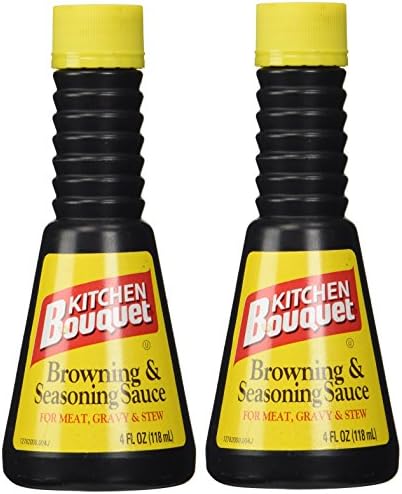
Seventy-six drops make a teaspoon, and a 4 oz bottle holds twenty-four teaspoons. That works out to more than four hundred two-cup gravies from one small bottle, which is why the 4 oz size has lived on pantry doors for a century.
Cooking for a crowd, count in quarter teaspoons instead. A quarter teaspoon is about nineteen drops.
Let the counter do it
We built the drop counter so nobody keeps this page open with wet hands. Pick the dish, type the cups, read the drops, and see how many pots your bottle still holds.
| One teaspoon | 76 drops |
| One 4 oz bottle | 24 teaspoons, about 1,824 drops |
| Two-cup gravy at 4 drops | one bottle covers 456 of them |
| Quarter teaspoon | about 19 drops |
Drops first. The bottle forgives almost anything except a heavy hand.